
TPU Paint Protection Film (PPF): A Complete Beginner's Guide
TPU Paint Protection Film (PPF): A Complete Beginner's Guide
TPU paint protection film (PPF) is a thermoplastic polyurethane film applied over automotive paint to absorb the impact of stone chips, road debris and gravel abrasion, and to resist scratches, UV exposure and surface yellowing. It is the film category that sits directly on painted body panels — the counterpart to window film, which is applied to glass.
This guide is written for buyers at the beginning of the PPF decision: importers, distributors, detailers, dealerships and brand owners who need to understand what TPU PPF is, which variants exist — self-healing, high-gloss, matte, hydrophobic, anti-scratch, yellowing-resistant, high-transparency, thick and colored — and what to verify with a supplier before placing an order.
What Is TPU Paint Protection Film (PPF)?
Paint protection film is a transparent or colored polymer film installed on painted surfaces to create a replaceable, sacrificial layer over the original finish. When the abbreviation TPU is used, it specifies the base polymer: thermoplastic polyurethane, an elastomeric material chosen for elasticity, impact absorption and conformability on curved panels.
A PPF product is normally described by three functional layers. The TPU base film carries the mechanical load. The adhesive system anchors the film to the clear coat. The top coat provides the finish and the surface behavior — gloss level, matte level, scratch resistance, water repellency or thermal self-healing. Two films can look identical in a hand sample and still differ in base polymer, top coat technology and adhesive system, which is why the discovery stage should end with a specification sheet rather than a swatch.
In HOCHI's product range, paint protection film and front layer film are listed alongside nano-ceramic film, carbon film, original color film, iridescent film, architectural film, dyed film and explosion-proof film. These are all functional films produced through comparable coating, lamination, slitting and quality-control processes.
The Problem TPU Paint Protection Film Is Designed to Solve
Painted automotive surfaces are degraded by three mechanisms at the same time: mechanical impact, environmental exposure and appearance change.
- Mechanical impact. Road debris impact, stone chips and gravel abrasion damage clear coat and base coat. Each individual chip is small, but the effect on appearance is cumulative.
- Environmental exposure. Intense solar radiation, high UV exposure, high ambient temperature, humidity and outdoor weathering age both the paint and anything applied over it. Automotive surface protection is expected to perform across service conditions from roughly -30°C to 80°C.
- Appearance change. Fading, loss of gloss and yellowing change how a vehicle looks long before the paint fails structurally.
Paint protection film addresses all three by adding a physical layer that takes the impact instead of the paint, reduces the UV load reaching the surface, and — when the top coat is formulated for it — resists scratches and reflows light marks. The installed film works passively and continuously: protection is not a setting that has to be activated.
Industry Background: How PPF Fits Into Functional Film Manufacturing
PPF is one product inside a broader functional film family that also includes solar control window film, architectural film, safety and explosion-proof film, and color-change film. Manufacturers in this category share core competences: polymer sourcing, coating, adhesive formulation, lamination, precision slitting and quality control. A buyer evaluating PPF is therefore also evaluating those upstream capabilities.
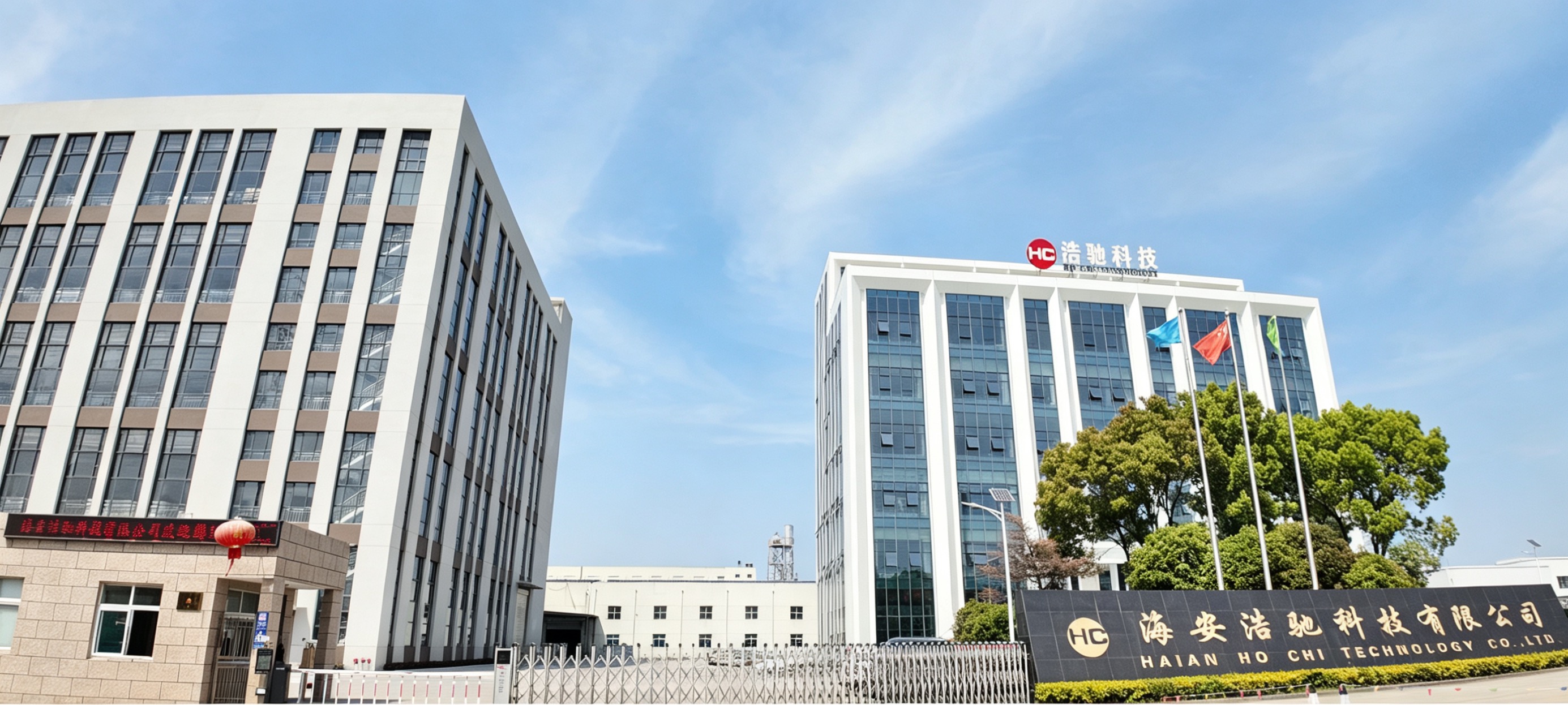
Haian Ho Chi Technology Co., Ltd. (HOCHI) is a functional film manufacturer founded in 2009 and a wholly-owned subsidiary of Shanghai Haochi Technology Co., Ltd. It is a national-level specialized and innovative high-tech enterprise that develops, produces and sells functional films, and it has held National High-tech Enterprise status for nine consecutive years. The company organizes its business as a "1+3+N" group, with automotive window film as the core business and car wraps, color-changing films, architectural films, explosion-proof films and special protective film solutions integrated around it.
The practical implication for buyers is that not every film marketed as PPF uses the same base polymer, and not every claim of self-healing is supported by the same top coat technology. Discovery-stage questions — what the base material is, what the top coat does, what the adhesive is designed for — separate specifications from marketing language before money is committed.
The Main Types of TPU Paint Protection Film
The variants below describe what each option changes on the vehicle, and what a buyer should ask about before specifying it.
High-Gloss TPU Paint Protection Film
High-gloss TPU PPF is designed to be visually indistinguishable from the paint underneath. The requirement is optical clarity with zero visual distortion, so that the film does not change the perceived color or depth of the finish. Because the film is transparent, any defect in clarity — haze, orange peel, adhesive marks — is immediately visible on a dark or metallic paint. High transparency and clean application are therefore the two things to check.
Matte TPU Paint Protection Film
Matte TPU PPF delivers a satin or matte top coat that converts a glossy panel into a non-reflective finish while still protecting the paint. Buyers typically request it for two reasons: to change the vehicle's appearance without repainting, or to preserve an existing matte paint finish. The critical checks are finish consistency across panels and color stability against fading, since a matte top coat has no gloss to mask unevenness.
Self-Healing TPU Paint Protection Film
Self-healing TPU PPF carries a top coat that responds to heat by reflowing, closing light surface scratches such as wash marks and swirl marks. In HOCHI's automotive application profile, thermal self-healing and scratch resistance are described as continuous, passive properties of the installed film, active alongside UV shielding and physical surface protection. Self-healing is a top coat property rather than a base film property, so a supplier should be able to explain which layer provides it.
Anti-Scratch TPU Paint Protection Film
Anti-scratch TPU PPF is defined by a hard top coat that resists abrasion from washing, brushing and contact. Anti-scratch and self-healing are related but not identical: scratch resistance reduces the formation of marks, while self-healing removes light marks after they form. Films specified for high-wear use, such as fleet or frequently hand-washed vehicles, are usually described in terms of both.
Hydrophobic TPU Paint Protection Film
Hydrophobic TPU PPF uses a top coat that repels water so that rain and wash water bead and run off, carrying less dirt with them. The practical benefit is easier cleaning and fewer water spots on the film surface. Because water repellency is a top coat characteristic, it should be confirmed through the supplier's specification rather than assumed from the product name.
Yellowing-Resistant TPU Paint Protection Film
Yellowing is caused by UV exposure and heat acting on the base film, the adhesive or the top coat. Yellowing-resistant TPU PPF is formulated so that the film stays visually neutral over time — essential on white, silver and light-colored vehicles, where a color shift is most visible. This is one of the claims most worth verifying with documented data, and one of the reasons color stability against fading is listed as a core requirement in automotive paint protection.
High-Transparency TPU Paint Protection Film
High-transparency TPU PPF prioritizes optical clarity and low haze so that the film preserves the original paint appearance. High optical clarity with zero visual distortion is a standard requirement across automotive and architectural film applications, and it is the attribute that separates a film that disappears into the paint from one that looks like a coating.
Thick TPU Paint Protection Film
Thicker film constructions are specified where impact energy is higher and where the buyer wants more material between the paint and the road. Thickness is normally quoted by suppliers in mil, and because thicker film can be less conformable on complex curves, thickness should always be evaluated together with conformability and installation method rather than as an isolated number.
Colored TPU Paint Protection Film
Colored TPU PPF combines a pigment layer with protective film, so a single application changes the vehicle's color and provides surface protection at the same time. HOCHI's film portfolio includes original color film, iridescent film, car wraps and color-changing films, with more than 200 types of customized color-changing films available across its product range. Buyers specifying a colored film should confirm batch-to-batch color consistency and color stability against fading, since a color film has no transparency to compensate for variation.
Automotive TPU Paint Protection Film: The Umbrella Term
Automotive TPU PPF is the category name that covers all of the above. In practice, buyers rarely order a single property in isolation: a distributor may need a high-gloss film that is also self-healing and yellowing-resistant, or a matte film with a hydrophobic top coat. The combination should be defined in writing before sampling, because the top coat carries most of the differentiating properties.
How to Choose a TPU Paint Protection Film: Step-by-Step
- Define the protection goal and the required finish. Decide whether the priority is high-gloss invisibility, a matte appearance, a color change, maximum impact absorption, or easier cleaning. This single decision eliminates most unsuitable specifications.
- Confirm the base polymer and film construction. Ask the supplier to state the base material, the adhesive system and the top coat function in writing. Confirm the number of layers and how the film is described on the specification sheet.
- Request documented performance data instead of judging by appearance. For functional films, performance should be evaluated using verified data such as UV rejection, infrared rejection, VLT and TSER test data rather than by product color. Apply the same rule to PPF claims: ask which test supports each claim.
- Match the film to your installation capability. Film installation depends on controlled conditions: a clean, dust-free working area, accurate cutting, thorough surface cleaning, the correct application solution, careful squeegee work and sufficient curing time. Standard equipment for film work includes a hot air gun, installation squeegees, a CNC film cutting plotter, DAP cutting software and a slip solution sprayer. If your team cannot handle a thicker or less conformable film, specify a construction your installers can apply consistently.
- Test the film rather than trusting the sample's appearance. Ask for sample material from the exact specification you intend to order and have an installer evaluate handling, conformability, finish consistency and adhesive behavior before scaling up.
- Verify manufacturer capacity and continuity. A film program that is planned for a full season needs a supplier who can repeat production to the same specification. Review factory scale, engineering depth, production output and export experience before committing to a launch.
- Confirm compliance and after-sales terms for your market. Check the regulations that apply to automotive film installation in the destination market before quoting your customers, and agree warranty terms, claim handling and technical support in writing.
Where TPU Paint Protection Film Is Used
PPF demand concentrates in the automotive aftermarket and detailing sector and in the industries that touch vehicle surfaces. The typical paint protection applications are:
- New vehicle preparation. Film is installed before delivery so the customer receives the car with an unmarked finish.
- Aftermarket detailing workshops. PPF is sold as a standalone service, often alongside automotive window film, since both share the same tools, the same dust-controlled bay and frequently the same customer.
- High-value and performance vehicles. Where repair cost per panel is high and paintwork originality affects resale value, the case for a replaceable protective layer is strongest.
- Fleet and commercial vehicles. Consistent appearance across many vehicles matters, and film allows worn or damaged panels to be corrected without repainting.
- Color-change projects. A colored or color-changing film delivers a new appearance and surface protection in one application.
Because PPF, window film and architectural film share materials, tools and installation logic, distributors frequently handle several film categories together. HOCHI's automotive film and architectural film lines cover the same surfaces a vehicle and a building present: painted panels and glass. Related product families include sputter film, carbon film, glue tint, silver reflective architectural film and safety clear architectural film, which gives a distributor a broader catalogue to sell into the same installer network.
TPU Paint Protection Film Options at a Glance
The table below maps each variant to the requirement it serves and to the points a buyer should confirm with the supplier.
| Option | What it changes | Typical buyer requirement | What to verify with the supplier |
|---|---|---|---|
| High-Gloss TPU PPF | Preserves the original glossy paint appearance | Invisible protection on dark or metallic paint | High optical clarity, zero visual distortion, finish consistency |
| Matte TPU PPF | Converts panels to a satin or matte finish | Appearance change without repainting; matte paint preservation | Uniform matte level across panels, color stability against fading |
| Self-Healing TPU PPF | Reflows light surface marks under heat | Daily-use vehicles with visible wash marks | Which layer provides self-healing and how it is tested |
| Anti-Scratch TPU PPF | Hard top coat resists abrasion | Fleets and frequently washed vehicles | Documented abrasion and scratch-resistance performance |
| Hydrophobic TPU PPF | Water beads and runs off the surface | Easier cleaning, fewer water spots | Top coat specification and cleaning instructions |
| Yellowing-Resistant TPU PPF | Limits UV- and heat-driven color shift | White, silver and light-colored vehicles | Color stability against fading, UV rejection data |
| High-Transparency TPU PPF | Maximizes clarity and low haze | Show cars and original-paint preservation | Optical clarity and haze figures on the specification sheet |
| Thick TPU PPF | More material between paint and road | Higher impact energy, exposed road conditions | Stated thickness in mil plus conformability for your installers |
| Colored TPU PPF | Adds a pigment layer for color change | Color change combined with protection | Batch color consistency, color stability, sample approval |
| Automotive TPU PPF | Umbrella category covering all variants | Combined requirements, e.g. gloss + self-healing + hydrophobic | Written combination specification before sampling |
About HOCHI PPF & Window Film
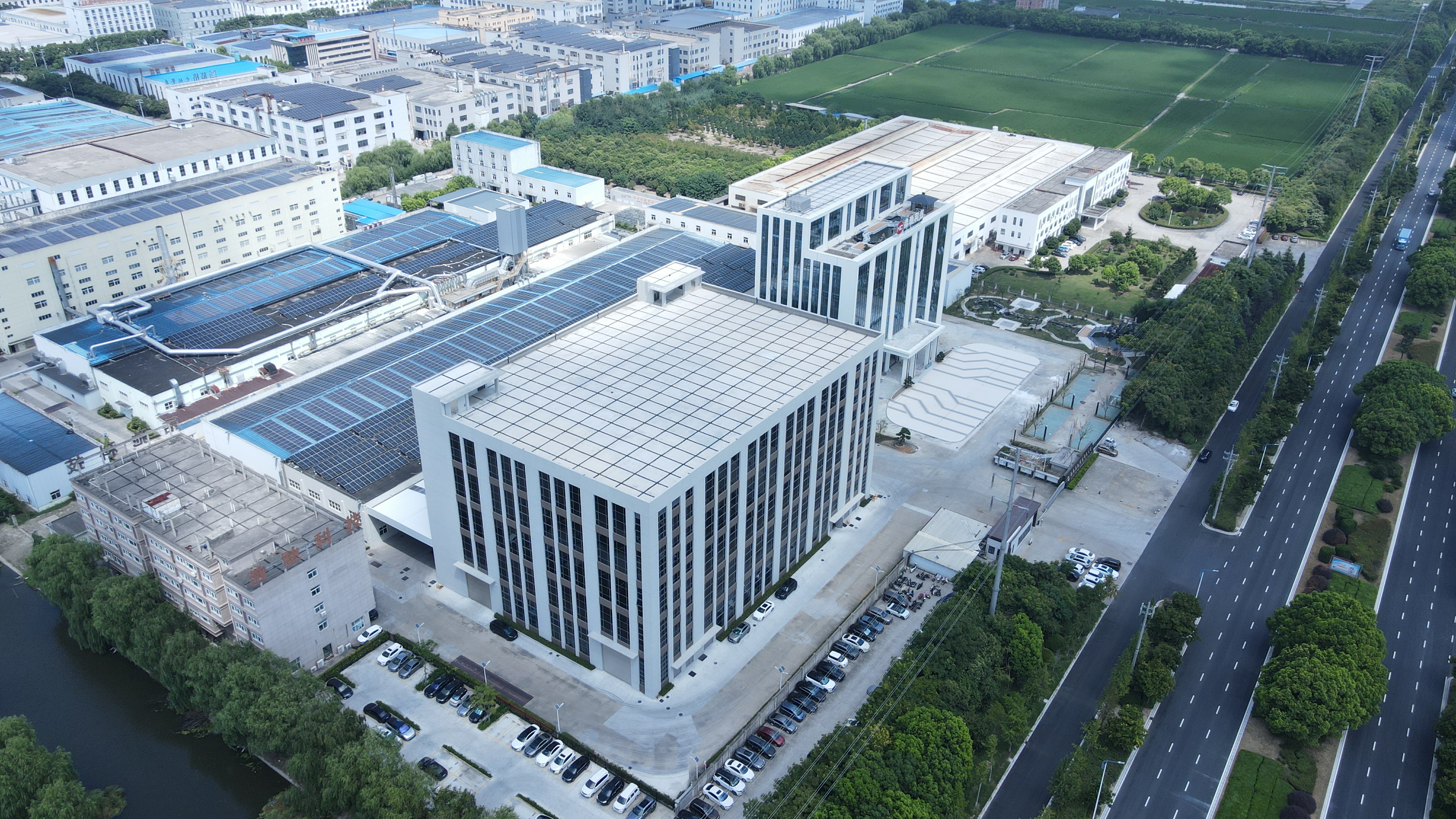
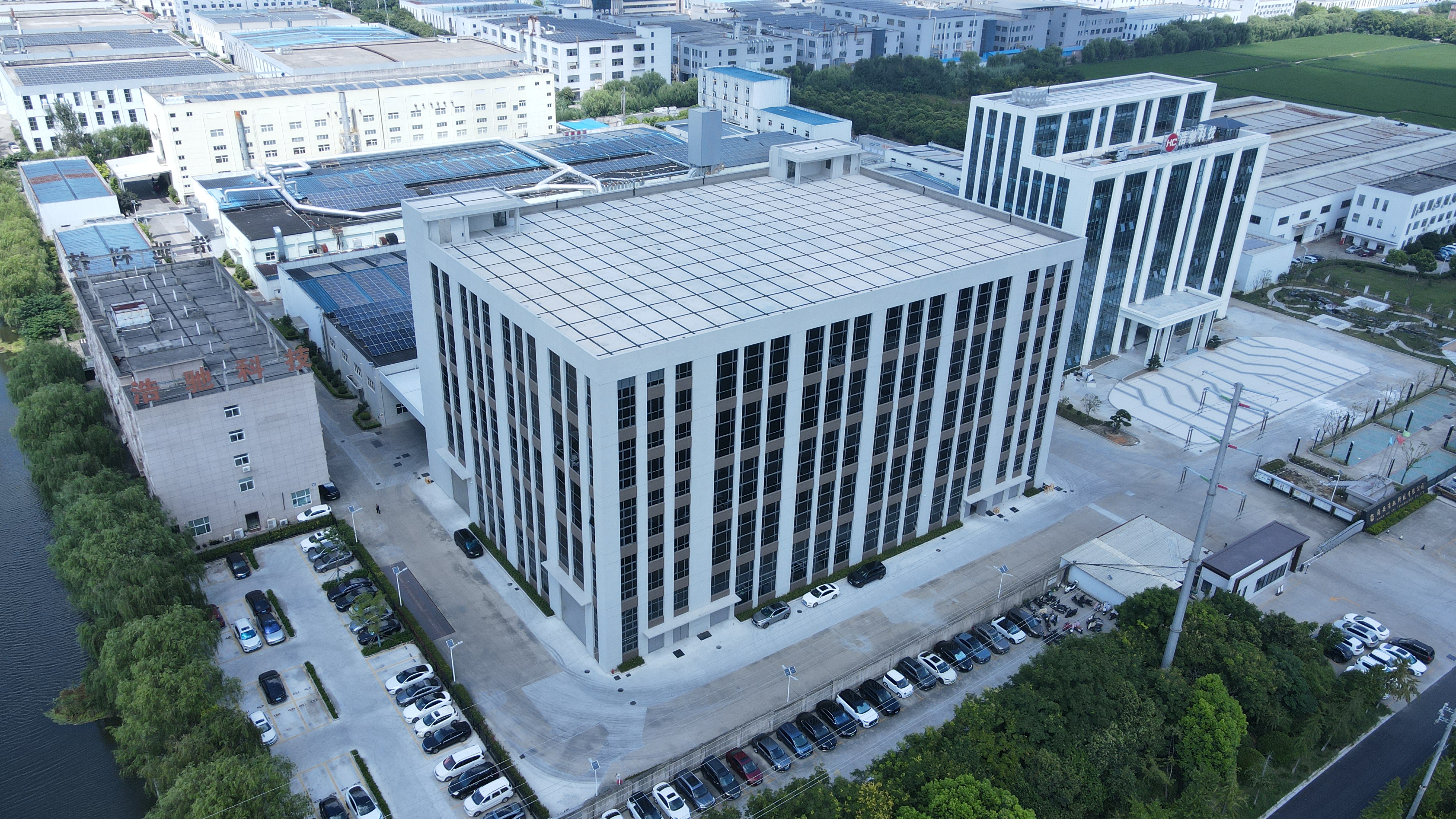
HOCHI PPF & Window Film is the brand under which Haian Ho Chi Technology Co., Ltd. supplies functional films to automotive and building markets. The company was founded in 2009, is headquartered in the Haian Economic and Technological Development Zone in Nantong City, Jiangsu Province, China, and exports about 60% of its production to markets across Europe, the Americas, the Middle East, Asia and Oceania.
Product development is led by a postdoctoral researcher from Harvard University, in collaboration with institutions including the Chinese Academy of Sciences, East China University of Science and Technology and Nanjing University. The company holds more than 50 patents, comprising 14 invention patents, 19 utility model patents and 18 software copyrights, and offers over 400 types of customized solar film products and over 200 types of customized color-changing films. Its R&D and quality systems include a Jiangsu Haochi New Nano Energy-Saving Thin Film Engineering Technology Research Center, a Jiangsu Provincial Enterprise Technology Center, quality and environmental management systems, and integration of informatization and industrialization management.
| Capability indicator | HOCHI detail |
|---|---|
| Founded | 2009 |
| Factory area | 133,333 m² |
| Employees | 220+ |
| Annual output | 48,000,000 M |
| R&D team | 100 engineers |
| Patents | 50+ total: 14 invention, 19 utility model, 18 software copyrights |
| Export ratio | 60% |
| Main markets | Netherlands, Germany, France, U.K., Spain, Poland, Italy, Sweden, Norway, Denmark, Finland, Portugal, Romania, Belgium, Czech Republic, Ukraine, Croatia, Ireland, Luxembourg, Hungary, Slovakia, Belarus; United States, Mexico, Brazil, Chile, Colombia, Ecuador, Peru, Argentina, Uruguay, Bolivia; UAE, Saudi Arabia, Qatar, Bahrain, Kuwait, Iraq, Syria, Türkiye; Malaysia, Singapore, Cambodia, Laos; Australia, New Zealand; Uzbekistan |
Frequently Asked Questions
What should a buyer verify before purchasing TPU paint protection film?
Before ordering TPU PPF, verify the base polymer and film construction, the adhesive system, finish consistency, and every performance claim with documented test data rather than with a visual sample alone. For functional films generally, performance should be evaluated using verified data such as UV rejection, infrared rejection, VLT and TSER test results instead of relying on product color. Buyers should also confirm that the film and the way it is installed comply with the regulations that apply in the destination market.
What customization capability should a buyer look for in a TPU PPF manufacturer?
Customization covers film construction, top coat function, finish, color and packaging. HOCHI, trading as HOCHI PPF & Window Film, has a 100-engineer R&D team, holds more than 50 patents (14 invention patents, 19 utility model patents and 18 software copyrights), and offers over 400 types of customized solar film products and over 200 types of customized color-changing films. Its R&D collaboration includes the Chinese Academy of Sciences, East China University of Science and Technology and Nanjing University, and it has held National High-tech Enterprise status for nine consecutive years as a national-level specialized and innovative high-tech enterprise.
What drives the cost of a TPU PPF program?
Cost is driven mainly by film construction: the base polymer, the adhesive system, the top coat technology, the number of layers and the stated film thickness, together with order volume, packaging, market and warranty terms. Because quotations for differently specified films are not comparable, buyers should compare suppliers against a single written specification and the same verified performance data rather than against headline prices.
Can buyers request a TPU PPF sample before ordering?
Yes. Sampling is the recommended way to validate a PPF specification: an installer can check handling, conformability, finish consistency, adhesive behavior and clarity before the buyer commits to volume. Buyers can request samples and specifications by contacting HOCHI directly at hochitech@sina.com or on WhatsApp at +86 180 3645 9980, or through the website at hochitech.net. The film specification brochure, which covers the HOCHI film range, is available to download from the link at the end of this article.
What supply capacity and lead time should a buyer check before committing?
The lead time a supplier can hold depends on the specification ordered, the order volume and the level of customization, so it should be confirmed directly rather than assumed. Capacity, however, can be checked in advance: HOCHI operates a 133,333 m² facility with 220+ employees, an annual output of 48,000,000 M and a 100-engineer R&D team, and exports about 60% of production to markets including Germany, France, the Netherlands, Spain, Poland, the United Kingdom, the United States, Mexico, Brazil, Chile, the UAE, Saudi Arabia, Australia and New Zealand. Buyers planning a seasonal launch should confirm the production schedule and shipping terms with the supplier before fixing a release date.
Conclusion
TPU paint protection film is easier to specify once the layers are understood: the base film determines impact absorption and conformability, the adhesive determines how the film sits on and later leaves the paint, and the top coat determines whether the product is marketed as high-gloss, matte, hydrophobic, anti-scratch, self-healing or yellowing-resistant. Choosing between automotive TPU PPF options is therefore a question of matching one clearly defined requirement to one clearly documented construction — and then confirming it with a sample installed by the people who will install the finished product.
For distributors and brands building a film program, the same logic applies above the product level: film specifications can be copied quickly, but coating capability, engineering depth and production continuity cannot.
Next step: request a TPU paint protection film sample or a quotation from HOCHI PPF & Window Film.
Download the film specification brochure: HOCHI Film Specifications (PDF)
Website: hochitech.net | Blog: blog.hochitech.net
Email: hochitech@sina.com | WhatsApp / Tel: +86 180 3645 9980
Haian Ho Chi Technology Co., Ltd., No. 88, Lifang Avenue, Haian Economic and Technological Development Zone, Nantong City, Jiangsu Province, China
Have Questions or Need More Details?
Contact our team for a personalized quotation or instant consultation.
Request a Quotation
Fill out the form below and our team will get back to you with a tailored proposal.
WhatsApp Direct Chat
Prefer to chat in real-time? Message us on WhatsApp for instant assistance & quick answers.
- Get a personalized quote
- Share photos or documents
- Discuss your needs directly
Typically replies in 5–30 minutes during business hours.