
How to Read Optical Grade PET Film Specs: Thickness, VLT, IR, and UV Explained
A window film specification sheet is a construction document, not an advertisement. Once a buyer can read four fields — thickness, VLT, IR cut and UV rejection — the difference between a solar control film, a security film and a decorative film becomes visible on the page. This guide explains how those fields are written on HOCHI optical grade PET film specifications, using the architectural models SILVER/GREEN 10, SILVER/GREY 05 and SF12 as worked examples, and shows why a 2PLY 1.5 mil film and a 1PLY 12.0 mil film are not competing numbers at all.
Why Film Spec Sheets Cause Procurement Errors
Four mistakes account for most misread window film specifications at the evaluation and ordering stage.
- Comparing VLT without normalising construction. A low VLT figure on a 1.5 mil reflective film and a low VLT figure on a 3.0 mil sputtered film describe different products with different warranties and different installation behaviour.
- Treating IR cut as total heat rejection. An infrared rejection percentage is band-specific. It is not the same figure as Total Solar Energy Rejection (TSER), because the solar spectrum also contains visible and ultraviolet energy.
- Reading the model code as a performance code. On the HOCHI architectural range, SILVER/GREY 05 carries a VLT of 10%, and SILVER/GREEN 10 carries a VLT of 8%. The number in the model name does not equal the VLT field.
- Inferring performance from colour. The HOCHI technical knowledge base states that solar control films use dyed, carbon, metalized, ceramic or multi-layer materials to manage ultraviolet, visible light and infrared energy, and that performance should be evaluated using verified VLT, UV rejection, IR rejection and TSER test data rather than relying on product colour alone.
For a buyer in the decision and execution stage, each of these errors converts into a physical cost: a re-installation, a warranty dispute, or a building that still runs hot at peak load.
Industry Background: What Optical Grade PET Establishes
PET stands for polyethylene terephthalate. On HOCHI data sheets the base material of the architectural and automotive solar films discussed here is listed as optical grade PET film or high-purity optical-grade PET. That base layer sets the clarity and consistency standard before any functional coating is applied. The reflective performance of the SILVER series and the security performance of the SF series are both built on it.
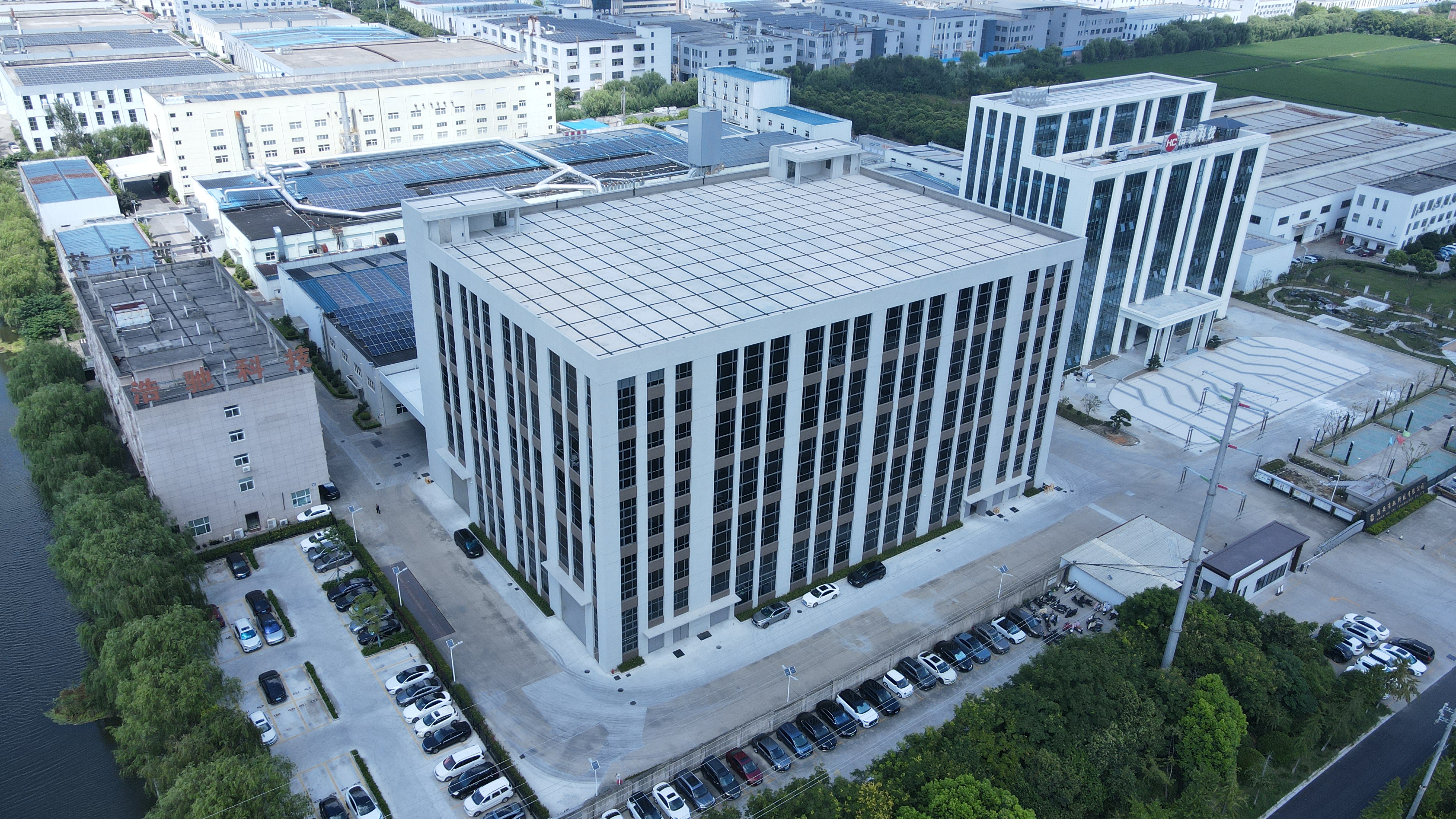
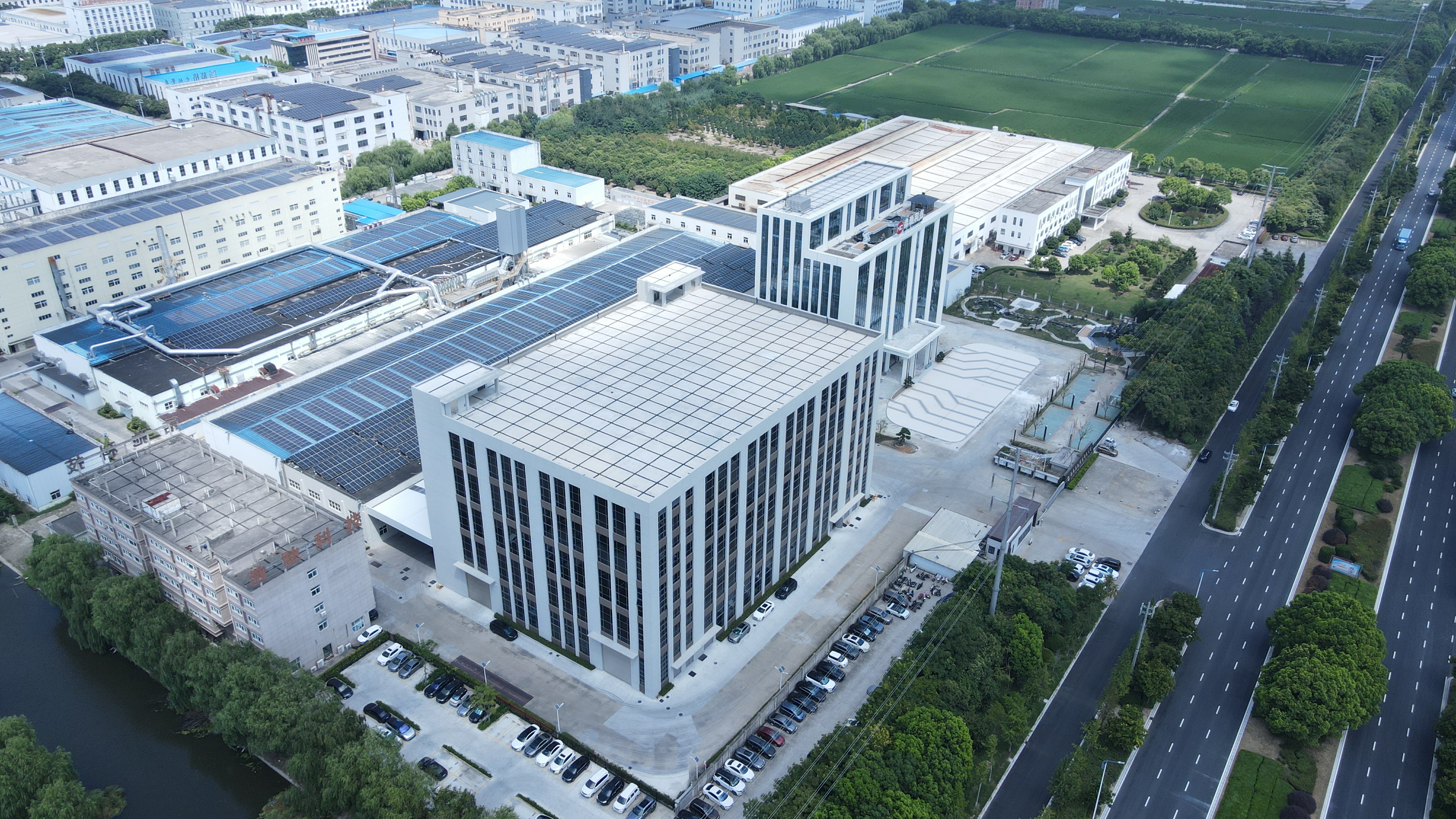
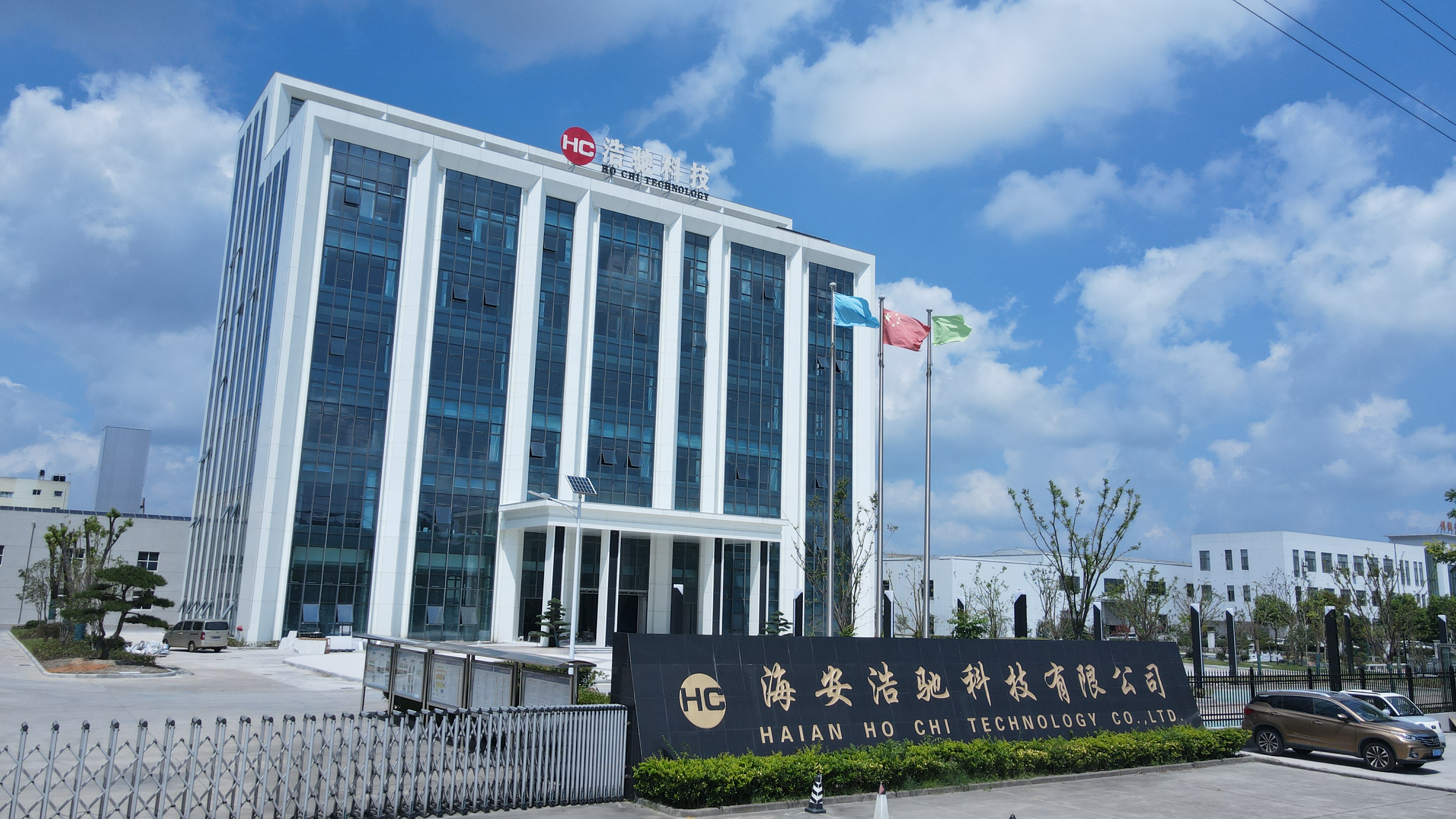
Manufacturing environment matters to specification stability. Haian Ho Chi Technology Co., Ltd. (HOHOFILM) operates a Class 1000 dust-free coating workshop covering 3,000 square meters. The company is a wholly-owned subsidiary of Shanghai Haochi Technology Co., Ltd. and was established in 2009.
The demand behind these specifications is measurable. Grand View Research projects the global automotive tinting film market to reach USD 14.7 billion by 2033. Within paint protection, Business Research Insights values the thermoplastic polyurethane (TPU) segment at USD 437.1 million in 2025, and Strategic Market Research projects the 72-inch wide format PPF segment to reach USD 1.9 billion by 2030. More film constructions, more suppliers and more spec sheets mean the reading skill itself becomes the buyer's leverage.
Thickness: What "2PLY 1.5 mil" and "1PLY 12.0 mil" Actually Describe
HOCHI writes thickness as a construction label plus a nominal gauge, for example Thickness (Mil): 2PLY 1.5. Two separate pieces of information are being provided.
The mil value is a length. One mil equals one thousandth of an inch, approximately 25.4 microns, and it is the conventional unit on window film data sheets.
The PLY value describes how many film layers are laminated into the finished product. A 1PLY entry is a single-ply construction; a 2PLY entry is a two-ply laminated construction.
Reading the notations side by side shows why they cannot be ranked against each other:
- SILVER/GREEN 10 — 2PLY 1.5 mil, classified as a silver coloured architectural window film with a strong adhesive, intended for architectural window film applications in the construction industry.
- SILVER/GREY 05 — 2PLY 1.5 mil, an architectural film model intended for use in the construction industry.
- SF12 — 1PLY 12.0 mil, clear colour, classified as safety clear with security protection and a strong adhesive.
- SF02 — 1PLY 2.0 mil, clear colour, 90% VLT, 88% UV rejection, 10% IR cut, 6-year warranty.
The 12.0 mil figure on SF12 exists for impact resistance and glass retention. The 1.5 mil figure on SILVER/GREEN 10 exists to carry a reflective solar control layer at high optical clarity. For calibration, PPF thickness typically ranges from 6.5 mil to 10 mil to balance impact resistance and installation flexibility, so a 12.0 mil safety film sits above that band while a 1.5 mil architectural solar film sits far below it.
Decision rule: never rank window films by mil value alone. Rank them by whether the mil value supports the job the glass has to do.
VLT: The Field That Decides Privacy, Glare and Legal Fit
Visible Light Transmission (VLT) is the share of visible light that passes through the film. It is the field that most directly determines how the interior will feel, and in many markets it is also the field that tint regulations are written around. Local automotive and architectural tint rules should always be checked before installation.
The spread across the HOCHI architectural range is wide and deliberate:
- SILVER 5% — VLT 5%
- SILVER/GREEN 10 — VLT 8%
- SILVER/BLUE 15 — VLT 8%
- SILVER/GREY 05 — VLT 10%
- SILVER 10% — VLT 10%
- SILVER/GOLD 20 — VLT 25%
- SF12 and SF02 — VLT 90%
The pattern is worth stating plainly. SF12 returns 90% of visible light, which is why it is a security and safety specification rather than a solar control one. It is not designed to darken glass. Where a project needs privacy or glare control, a 90% VLT film is the wrong tool regardless of how thick it is.
Note the model-code trap again. For the solid silver models the number in the name does match the VLT field — SILVER 5% is 5% and SILVER 10% is 10%. For the composite models it does not. SILVER/GREY 05 sits at 10% VLT and SILVER/GREEN 10 sits at 8% VLT. Quote the VLT field, never the model number.
IR Cut: What a 90% Figure Covers, and What It Does Not
Infrared (IR) cut is the rejection figure for the infrared portion of solar radiation. Across the HOCHI architectural range it varies from 10% to 95%:
- SILVER 5% — 95% IR cut
- SILVER/GREEN 10 — 90% IR cut
- SILVER/BLUE 15 — 90% IR cut
- SILVER 10% — 88% IR cut
- SILVER/GREY 05 — 75% IR cut
- SILVER/GOLD 20 — 75% IR cut
- SF12 and SF02 — 10% IR cut
Two conclusions follow directly from these numbers.
First, thickness does not create heat rejection. SILVER/GREEN 10 reaches 90% IR cut at 2PLY 1.5 mil, while SF12 sits at 10% IR cut at 1PLY 12.0 mil. The thicker film rejects less infrared because it was specified for security protection, not for solar control. Buying on thickness alone would produce exactly the wrong outcome here.
Second, IR cut is not TSER. Total Solar Energy Rejection counts the whole solar spectrum — ultraviolet, visible and infrared. A film with 90% IR cut and 8% VLT will reject a large share of total solar energy; a film with 10% IR cut and 90% VLT will not, even though both may carry a comparable warranty term. HOCHI technical guidance is to evaluate performance with verified VLT, UV rejection, IR rejection and TSER test data used together, not replaced by a single headline number.
How a 90% IR Cut Is Achieved
Solar control films manage ultraviolet, visible light and infrared energy through dyed, carbon, metalized, ceramic or multi-layer constructions. HOCHI positions its advanced range around nano-ceramic and magnetron sputtering technology rather than chemical dyes, which is a multi-layer approach associated with colour stability and consistent infrared performance. Independent market research on nano-ceramic window films reports solar heat blocking of up to 85% while maintaining high visible light transmission — consistent with the trade-off visible in the HOCHI table between VLT and IR cut.
UV Rejection: How a Film Reaches 99%
UV rejection describes how much ultraviolet radiation is blocked. In the HOCHI architectural range the split is clear:
- SILVER/GREEN 10, SILVER/GREY 05, SILVER/BLUE 15, SILVER/GOLD 20, SILVER 5% and SILVER 10% — 99% UV rejection
- SF12 and SF02 — 88% UV rejection
The two families differ because of construction, not cosmetics. UV rejection is delivered by ultraviolet-absorbing chemistry carried in the film and adhesive layers rather than by the visible colour of the film. That is why a colourless film such as SF02 can still return 88% UV rejection, and why a dark film is not automatically a better UV barrier.
It also explains why UV rejection and VLT move independently. SF12 shows 90% VLT alongside 88% UV rejection in the same spec line. The two fields answer different questions: VLT answers how much daylight reaches the room, and UV rejection answers how much ultraviolet reaches the interior.
In the reflective silver series, the higher 99% figure comes with the multi-layer construction described above. The practical reason buyers track this field is interior protection: ultraviolet exposure is what drives fading in furnishings, upholstery and finishes, and it also reaches occupants.
Step-by-Step: Reading a HOCHI Architectural Film Spec Line
The sequence below uses the actual sheet format. Reading order matters, because the fields constrain each other.
Step 1 — Identify the product family from the model prefix
SILVER/ models are silver coloured architectural films. SF models are safety clear films. The prefix tells you which performance expectations apply before you read a single number.
Step 2 — Read thickness as two fields, not one
Split 2PLY 1.5 into ply count and mil gauge. Then ask whether that gauge serves solar control or impact resistance.
Step 3 — Read VLT and test it against the project
Match the VLT field to the required privacy level, the desired daylight and the local tint regulations. A 90% VLT film and an 8% VLT film solve different problems.
Step 4 — Read IR cut, then ask for TSER data
Note the IR cut percentage and treat it as one input rather than the whole answer. Confirm the measurement basis and the TSER figure before accepting a heat rejection claim.
Step 5 — Read UV rejection
Compare the UV field across the shortlist. In the architectural range the silver series sits at 99%, while the SF safety films sit at 88%.
Step 6 — Read the warranty term
Warranty length is a useful cross-check on construction. SILVER/GREEN 10 and SILVER/GREY 05 carry a 4-year quality warranty, while SF12, SF02, SILVER 5% and SILVER 10% carry 6 years.
Step 7 — Confirm the intended application
SILVER/GREEN 10 and SILVER/GREY 05 are intended for the construction industry and for architectural window film applications. A film specified for architectural glazing should not be assumed to suit automotive glass, and the reverse also holds.
Step 8 — Verify glass compatibility before ordering
Before installing solar control film on certain laminated, insulated or treated glass, a glass compatibility or thermal stress assessment is recommended. Verify the glass type, inspect it for cracks, damage or coating, and confirm that the selected film is compatible with the glass structure.
Step 9 — Lock the acceptance criteria
Inspection should follow a defined standard rather than a subjective impression. The IWFA Visual Quality Standards require window film inspection from 6 feet (approximately 2 meters) under natural daylight. For safety films, ASTM D882 is the mandatory testing method for measuring tensile strength, break strength and elongation under IWFA policies.
Matching Specs to Real Installations
Spec fields only become decisions when they meet a specific glass type and a specific climate.
Commercial curtain wall solar control
Where the objective is measurable cooling load reduction, the reflective silver range delivers the highest IR cut. SILVER 5% leads at 95%, with SILVER/GREEN 10 and SILVER/BLUE 15 at 90%. All three sit at 99% UV rejection. The trade-off is VLT: these films are specified where privacy and glare reduction are wanted alongside heat control.
Residential sunroom and privacy glazing
SILVER/GREY 05 pairs 75% IR cut with 99% UV rejection at 2PLY 1.5 mil. SILVER/GOLD 20 offers a lighter 25% VLT with the same 75% IR cut and 99% UV rejection. Both suit projects where a reflective exterior appearance is acceptable and interior daylight must remain usable.
Security and safety retrofits
Where glass retention matters more than heat rejection, SF12 is the specification to read: 1PLY 12.0 mil, clear, 90% VLT, 88% UV rejection, 10% IR cut, 6-year quality warranty and a strong adhesive for security protection. SF02 delivers the same optical clarity and UV figure at 1PLY 2.0 mil.
Automotive glazing
The automotive family uses its own model coding. CLASSIC35P carries VLT 35%, 10% IR cut, 99% UV rejection and a 4-year warranty. QS0595 is a 2PLY 2.0 mil sputter film at VLT 5%, 95% IR cut, 99% UV rejection and a 10-year warranty. SV3095 is a 2PLY 3.0 mil sputter film at VLT 30% with 95% IR cut and 99% UV rejection, specified with no signal interference. The automotive table below shows why the IR cut field, not the thickness field, separates a daily-driver tint from a high-performance sputter film.
Paint protection film is a separate material family. HOCHI PPF is built on aliphatic TPU resin rather than PET, and PPF thickness typically ranges from 6.5 mil to 10 mil. PPF sheets should be read on their own terms — tensile elongation, self-healing behaviour and adhesive chemistry — rather than by borrowing the reading rules of a solar control film.
Comparison Table: Architectural Film Specifications Side by Side
All figures below are taken from published HOCHI optical grade PET film specifications.
| Model | Construction | VLT | IR cut | UV rejection | Quality warranty |
|---|---|---|---|---|---|
| SILVER 5% | 2PLY 1.5 mil | 5% | 95% | 99% | 6 years |
| SILVER/GREEN 10 | 2PLY 1.5 mil | 8% | 90% | 99% | 4 years |
| SILVER/BLUE 15 | 2PLY 1.5 mil | 8% | 90% | 99% | 4 years |
| SILVER/GREY 05 | 2PLY 1.5 mil | 10% | 75% | 99% | 4 years |
| SILVER 10% | 2PLY 1.5 mil | 10% | 88% | 99% | 6 years |
| SILVER/GOLD 20 | 2PLY 1.5 mil | 25% | 75% | 99% | 4 years |
| SF02 | 1PLY 2.0 mil | 90% | 10% | 88% | 6 years |
| SF12 | 1PLY 12.0 mil | 90% | 10% | 88% | 6 years |
Automotive reference rows
| Model | Construction | VLT | IR cut | UV rejection | Quality warranty |
|---|---|---|---|---|---|
| CLASSIC03P | 2PLY 1.5 mil | 3% | 10% | 99% | 4 years |
| CLASSIC35P | 2PLY 1.5 mil | 35% | 10% | 99% | 4 years |
| QS0595 | 2PLY 2.0 mil | 5% | 95% | 99% | 10 years |
| QS5095 | 2PLY 2.0 mil | 50% | 95% | 99% | 10 years |
| SV0595 | 2PLY 3.0 mil | 5% | 95% | 99% | 10 years |
| SV3095 | 2PLY 3.0 mil | 30% | 95% | 99% | 10 years |
FAQ
1. Which inspection standard should be used to accept a finished window film installation?
The IWFA Visual Quality Standards require window film inspection from 6 feet (approximately 2 meters) under natural daylight. For safety films, ASTM D882 is the mandatory testing method for measuring tensile strength, break strength and elongation under IWFA policies. Where solar control film is to be applied to laminated, insulated or treated glass, a glass compatibility or thermal stress assessment is recommended before installation, and the film must be confirmed compatible with the glass structure.
2. Do I need both a 2PLY 1.5 mil film and a 1PLY 12.0 mil film?
They solve different problems. A 2PLY 1.5 mil architectural film such as SILVER/GREEN 10 — VLT 8%, 90% IR cut, 99% UV rejection, 4-year quality warranty — manages solar heat and light. A 1PLY 12.0 mil film such as SF12 — clear, VLT 90%, 10% IR cut, 88% UV rejection, 6-year quality warranty, strong adhesive — is built for security protection and glass retention. Projects that need both heat control and glass retention typically use two different specifications on two different glass types rather than one compromise film.
3. What are the standard commercial terms for a bulk window film order?
HOCHI purchasing terms are a minimum order quantity of 50 rolls, with sample orders available upon request, and delivery terms of FOB Shanghai. Acceptance criteria are a pre-shipment test plus third-party inspection (SGS). For long-term supply agreements, payment terms are 30% of the total amount by T/T in advance with the remaining 70% by T/T against a copy of the bill of lading.
4. How can a buyer validate a film specification before committing to a full order?
Sample orders are available upon request, which allows a buyer to confirm the VLT, IR cut and UV rejection fields of a model such as SILVER/GREY 05 or SILVER/GREEN 10 against the published specification before scaling to the 50-roll minimum. Combine the sample with the pre-shipment test and third-party inspection (SGS) acceptance criteria, and confirm glass compatibility for the intended substrate.
5. What makes a supplier suitable as a long-term Window Tint Film & PPF supply partner?
For a multi-year window tint and PPF programme, the relevant evidence is structural rather than promotional. Haian Ho Chi Technology Co., Ltd. is a wholly-owned subsidiary of Shanghai Haochi Technology Co., Ltd., established in 2009, and has obtained quality management and environmental management system certifications. It operates the Jiangsu Haochi New Nano Energy-Saving Thin Film Engineering Technology Research Center and the Jiangsu Provincial Enterprise Technology Center, and is a member of the Polymer and Composite Materials Professional Committee of Jiangsu New Materials Industry Association and the Jiangsu Business Development Promotion Association Council. The complete specification set covering the architectural and automotive models discussed here is available in the HOCHI window film specification catalog, and distributors or importers can request samples or a quotation through hochitech.net.
Conclusion: Read Four Fields, Then Decide
Optical grade PET film specifications are readable in a fixed order. Thickness tells you what the film was built to do — 2PLY 1.5 mil for reflective solar control, 1PLY 12.0 mil for security retention. VLT tells you what the interior will look like. IR cut tells you how much infrared energy is rejected, and it must be paired with TSER before any heat claim is accepted. UV rejection tells you how much ultraviolet reaches the interior, and it moves independently of both colour and thickness.
Applied to the three models in this guide, the same reading order produces three different conclusions from three spec lines. SILVER/GREEN 10 — 2PLY 1.5 mil, VLT 8%, 90% IR cut, 99% UV rejection, 4-year warranty — is a heat and glare specification. SILVER/GREY 05 — 2PLY 1.5 mil, VLT 10%, 75% IR cut, 99% UV rejection — trades some infrared rejection for a lighter window. SF12 — 1PLY 12.0 mil, VLT 90%, 10% IR cut, 88% UV rejection — is a security specification that also happens to be the thickest film on the sheet.
Buyers who can read those three lines correctly avoid the most expensive error in this category: ordering the thickest film when what the project actually needed was the highest IR cut.
Next step for distributors, importers and project buyers
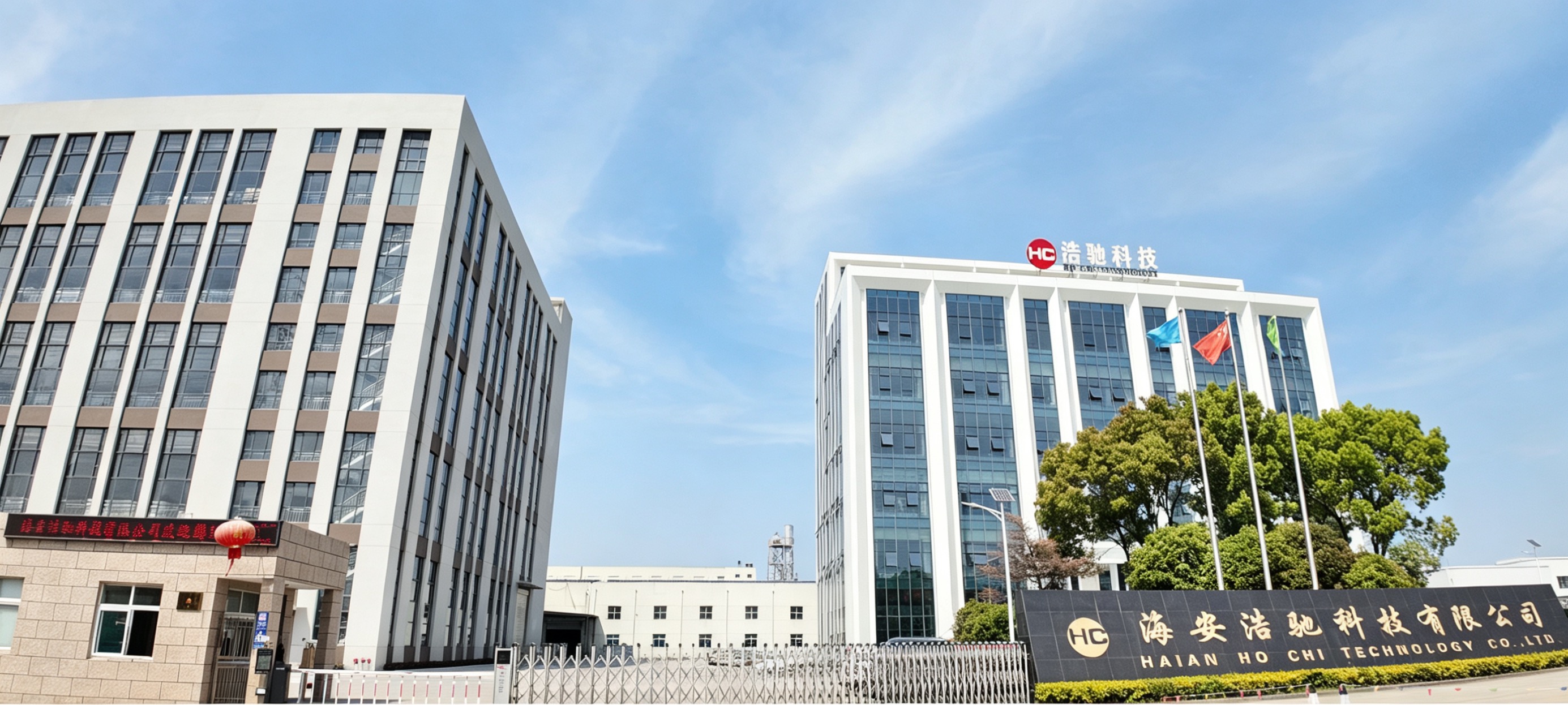
HOCHI supplies architectural window film, automotive window tint film and paint protection film from Haian Ho Chi Technology Co., Ltd., a wholly-owned subsidiary of Shanghai Haochi Technology Co., Ltd.
- Review model-by-model data in the window film specification catalog
- Request samples — sample orders are available upon request alongside a 50-roll minimum order quantity
- Request a quotation on FOB Shanghai terms, with pre-shipment testing and SGS third-party inspection available as acceptance criteria
Email hochitech@sina.com · Tel / WhatsApp +86 180 3645 9980 · hochitech.net
Have Questions or Need More Details?
Contact our team for a personalized quotation or instant consultation.
Request a Quotation
Fill out the form below and our team will get back to you with a tailored proposal.
WhatsApp Direct Chat
Prefer to chat in real-time? Message us on WhatsApp for instant assistance & quick answers.
- Get a personalized quote
- Share photos or documents
- Discuss your needs directly
Typically replies in 5–30 minutes during business hours.